Buying Guide for the Best Air Purifier With Humidifier Functions
Choosing an air purifier with humidifier functions can significantly improve the air quality in your home, making it healthier and more comfortable. When selecting the right model, it's important to consider several key specifications that will determine how well the device meets your needs. Understanding these specifications will help you make an informed decision and ensure you get the best product for your situation.Coverage AreaCoverage area refers to the size of the room that the air purifier with humidifier can effectively service. This is important because you want to ensure that the device can handle the space where you plan to use it. Coverage area is usually measured in square feet or square meters. Small units are suitable for rooms up to 200 square feet, medium units can handle 200-400 square feet, and large units are designed for spaces over 400 square feet. Choose a model that matches or exceeds the size of your room for optimal performance.
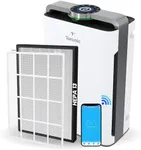
Filtration SystemThe filtration system is crucial as it determines the types of pollutants the air purifier can remove. Common filters include HEPA filters, activated carbon filters, and pre-filters. HEPA filters are excellent for capturing small particles like dust, pollen, and pet dander, making them ideal for allergy sufferers. Activated carbon filters are effective at removing odors and chemical vapors. Pre-filters capture larger particles, extending the life of the other filters. Consider your specific needs, such as allergies or odor removal, to choose the right filtration system.
Humidification CapacityHumidification capacity indicates how much moisture the device can add to the air, usually measured in gallons or liters per day. This is important for maintaining a comfortable humidity level, especially in dry climates or during winter. Low-capacity units are suitable for small rooms or occasional use, while high-capacity units are better for larger spaces or continuous operation. Assess the humidity needs of your environment to select a model with the appropriate capacity.
Noise LevelNoise level is measured in decibels (dB) and indicates how loud the device will be during operation. This is important if you plan to use the air purifier in a bedroom, office, or other quiet space. Lower noise levels (below 30 dB) are ideal for bedrooms and nurseries, while higher levels (30-50 dB) may be acceptable for living rooms or kitchens. Consider where you will use the device and choose a model with a noise level that won't disturb your activities.
Maintenance RequirementsMaintenance requirements include how often you need to clean or replace filters and other components. This is important for ensuring the device continues to operate efficiently and effectively. Some models have washable filters, which can be more cost-effective and convenient, while others require regular replacement of disposable filters. Check the manufacturer's recommendations for maintenance and consider how much time and effort you are willing to invest in upkeep.
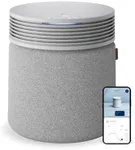
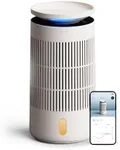
Additional FeaturesAdditional features can enhance the functionality and convenience of the air purifier with humidifier. These may include smart controls, air quality sensors, multiple fan speeds, timers, and auto-shutoff. Smart controls allow you to operate the device remotely via a smartphone app, while air quality sensors can adjust the settings automatically based on the detected air quality. Consider which features are important to you and will make the device easier to use and more effective in your home.