Buying Guide for the Best Airplane Headphones
Choosing the right headphones for airplane travel involves understanding how the features can improve your experience during flights. Airplane environments are typically noisy and cramped, so comfort and noise management are crucial. Your listening habits—whether you’re watching movies, listening to music, or just blocking out noise to sleep—will also influence what specs matter most. Focus on features that address these challenges, and think about your travel style and comfort preferences before making a choice.Noise CancellationNoise cancellation is a technology that reduces unwanted ambient sounds, especially the constant hum of airplane engines. There are two main categories: active noise cancellation (ANC), which uses electronics to counteract sounds, and passive noise isolation, which relies on the headphones’ physical design. Generally, ANC headphones are divided into basic, mid-range, and premium in terms of performance. If you’re a frequent traveler or easily disturbed by noise, prioritize strong ANC. For occasional flyers, even basic noise cancellation can be helpful, while others may find standard closed-back headphones sufficient if mostly listening to loud content.
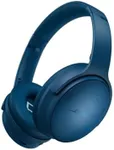
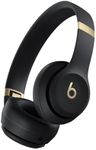
Comfort and FitComfort and fit are about how headphones feel during long stretches of wear, which is especially important on long flights. Over-ear headphones typically provide the best comfort for extended use, but on-ear and in-ear options are lighter and more compact. Look for soft padding, adjustable bands, and lightweight materials for the highest comfort. If you often experience discomfort or ear fatigue, prioritize plush ear cups and flexible headbands. Frequent flyers may favor over-ears for long-wear comfort, while short-flight travelers or light packers might prefer in-ear options.
Battery LifeBattery life refers to how long your headphones work between charges, especially when using features like ANC and Bluetooth. Some headphones offer around 15 hours, while others easily reach 30 or more. Your selection should depend on the length of your typical flights and layovers. If you often take long-haul flights, pick headphones with longer battery life to avoid running out mid-journey. For shorter flights, moderate battery life will usually suffice, and wired functionality can serve as a backup.
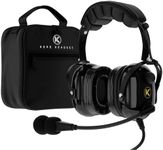
Foldability and PortabilityFoldability and portability measure how compact and travel-friendly the headphones are. Some models fold into small sizes or have rotating ear cups to fit better in cases or bags. Over-ear headphones often come with carrying cases. People who travel light or want to maximize space in carry-ons should look for easily foldable designs or in-ear styles. If you prioritize comfort and sound above space, this might be less critical for you.
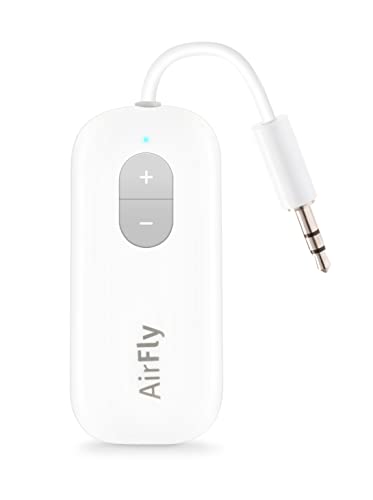
Wired vs. Wireless ConnectivityWired and wireless connectivity options dictate how your headphones connect to devices. Airplanes usually have entertainment systems that require a wired connection, often with a common 3.5mm jack or a dual-prong adapter. Wireless headphones are convenient with mobile devices but may need compatibility for in-flight systems. Ideally, choose headphones with both wired and wireless options so you have flexibility. If you mainly use your headphones for inflight movies, prioritize wired options; for casual music or podcasts on your device, wireless can be more convenient.
Sound QualitySound quality includes how clear and immersive the audio is, and it can make movies, music, or podcasts much more enjoyable during flights. This is subjective—some people favor punchy bass while others want clear vocals or balanced sound. Most travel headphones are designed to sound good even in noisy environments, but there are differences in richness and detail. If you’re an audiophile or really care about media experience, focus on higher-tier sound quality; for casual background listening, standard options are usually sufficient.
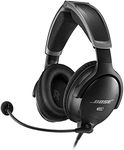
Microphone QualityMicrophone quality is important if you plan to use your headphones for in-flight calls or voice commands. Not all travel headphones have built-in microphones, and their clarity can vary widely, especially with airplane background noise. If you need to make calls or interact with a voice assistant, look for headphones with a reputation for clear mics and some noise-reducing technology. For those who only use headphones for listening, this spec is less critical.