We Use CookiesWe use cookies to enhance the security, performance, functionality and for analytical and promotional activities. By continuing to browse this site you are agreeing to our privacy policy

Best Kids Balance Beams

From leading brands and best sellers available on the web.
#1

Winner

MARFULA Adjustable Balance Beam 8 f

MARFULA

16%OFF

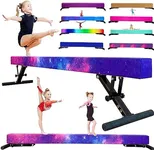
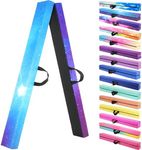
MARFULA Adjustable Balance Beam 8 ft Gymnastic Beam adjustable height for Kids and Teenage of all gymnastic levels, Gymnastic Training Beam Gymnastic Equipment for athlete Home and Gym Club Use

View on Amazon
#2
Tiny Land Stepping Stones for Kids,

Tiny Land

16%OFF

editor-choice-ribbon

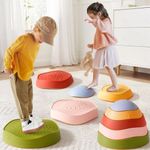
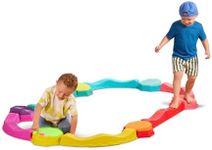
Tiny Land Stepping Stones for Kids, 5pcs Non-Slip Balance Toddler Toys
View on Amazon
#3
National Geographic Kids Stepping S

Blue Marble

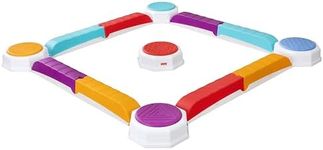
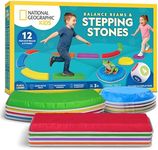
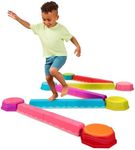
National Geographic Kids Stepping Stones & Balance Beams – 12 Piece Obstacle Course for Kids Ages 3+ with Foam Dice, Play & Learn Cards, Non-Slip Rubber Base, Toddler Indoor & Outdoor Active Play Set
View on Amazon
#4
B. toys – Balance Beam for Kids – I

B. toys

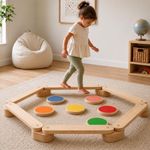
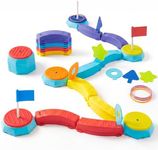
B. toys – Balance Beam for Kids – Interlocking Balancing Beams – 6 Sensory Pads & 10 Beams – Active Play for Toddlers, Kids – 3+ Years – Balance & Build Set - Rainbow Color

View on Amazon
#5
FC FUNCHEER Adjustable balane Beam

FC FUNCHEER

FC FUNCHEER Adjustable balane Beam for Kids - 8FT Gymnastics Beam - high and Low Floor Beam for All Gymnastic Levels-Professional Gymnastic Equipment for Home and Gym Center (Warm Rainbow, 7"-29")

View on Amazon
#6
FC FUNCHEER 8FT Adjustable Balance

FC FUNCHEER

FC FUNCHEER 8FT Adjustable Balance Beam for Kids Gymnastics - 4-Knob Quick-Adjust, Tri-Lock Stability, Competition 4" Width, 3 Heights (17/32/42cm) for Home Training Equipment Ages 4+

View on Amazon
#7
B. toys Balancing Beams and Steppin

B. toys

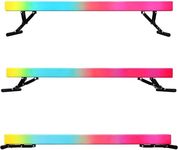
B. toys Balancing Beams and Stepping Stones - 13 Pieces
View on Amazon
#8
B. toys - Balance & Groove Set - Ba

B. toys

30%OFF

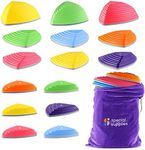
B. toys - Balance & Groove Set - Balance Beam for Kids - Musical Games & Activities - 5 Sensory Stones, 8 Wavy Beams & 1 Musical Pod - Indoor Active Play - 3 Years +
View on Amazon
#9
Special Supplies Stepping Stones fo

Special Supplies

editor-choice-ribbon

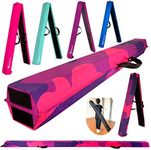
Special Supplies Stepping Stones for Kids Indoor and Outdoor Balance Blocks Promote Coordination, Balance, Strength Child Safe Rubber, Non-Slip Edging (15 Pk)
View on Amazon
#10
Marfula 6 FT / 8 FT / 9 FT Folding

MARFULA

Marfula 6 FT / 8 FT / 9 FT Folding Gymnastics Beam Foam Balance Floor Beam - Extra Firm - Suede Cover - Anti Slip Bottom with Carry Bag For Kids/Adults Home Use (Pink Purple-Camo, 6 FT)

View on Amazon
How do we rank products for you?

Our technology thoroughly searches through the online shopping world, reviewing hundreds of sites. We then process and analyze this information, updating in real-time to bring you the latest top-rated products. This way, you always get the best and most current options available.

headphones-stars

Most Popular Categories Right Now

Buying Guide for the Best Kids Balance Beams

Choosing the right balance beam for kids can be a fun and rewarding experience. Balance beams are great for developing coordination, balance, and confidence in children. When selecting a balance beam, it's important to consider several key specifications to ensure it meets the needs of your child and provides a safe and enjoyable experience. Here are the key specs to consider and how to navigate them.
MaterialThe material of the balance beam is crucial for durability and safety. Common materials include wood, foam, and plastic. Wooden beams are sturdy and provide a traditional feel, but they can be harder and less forgiving if a child falls. Foam beams are softer and safer for younger children or beginners, offering a cushioned surface that reduces the risk of injury. Plastic beams are lightweight and often adjustable, making them versatile for different skill levels. Choose a material based on your child's age, skill level, and where the beam will be used (indoors or outdoors).
HeightThe height of the balance beam affects the difficulty and safety of use. Low beams, which are close to the ground, are ideal for younger children or beginners as they minimize the risk of injury from falls. Medium-height beams are suitable for intermediate users who have developed some balance skills and are ready for a bit more challenge. High beams are for advanced users who are confident in their balance abilities and are looking to practice more complex routines. Consider your child's current skill level and confidence when choosing the height of the beam.
LengthThe length of the balance beam determines the space available for walking and performing routines. Shorter beams (around 4-6 feet) are great for small spaces and younger children who are just starting out. Medium-length beams (6-8 feet) provide more room for practice and are suitable for children who are progressing in their skills. Longer beams (8-12 feet) offer ample space for advanced routines and are ideal for older children or those with more experience. Choose a length that fits your available space and your child's skill level.
WidthThe width of the balance beam affects stability and ease of use. Wider beams (4-6 inches) are easier to balance on and are perfect for beginners or younger children. Narrower beams (2-4 inches) are more challenging and are better suited for intermediate to advanced users who are looking to improve their balance and precision. Consider your child's age and skill level when selecting the width of the beam.
PortabilityPortability is an important factor if you need to move the balance beam frequently or if you plan to use it in different locations. Lightweight and foldable beams are easy to transport and store, making them ideal for families with limited space or those who want to take the beam to different places. Fixed beams are more stable but less portable. Think about how and where you will use the beam to determine the importance of portability for your needs.
Surface TextureThe surface texture of the balance beam can impact grip and comfort. A smooth surface may be more comfortable for bare feet but can be slippery, especially if the child is wearing socks. A textured or padded surface provides better grip and can prevent slipping, making it safer for use. Consider the type of footwear your child will use and their comfort preferences when choosing the surface texture.